
Introduction
D1 and D2 diesel are two of the most traded fuels worldwide, essential for transportation, agriculture, industrial operations, and power generation. However, many buyers and brokers confuse the two. This blog outlines their differences and provides a deep understanding of sourcing and verifying legitimate suppliers.
What Is D1 Diesel?
D1 diesel is a high-quality, low-sulfur diesel refined for smaller engines and colder environments. It is used in:
- Light vehicles
- Small generators
- Agricultural machinery
What Is D2 Diesel?
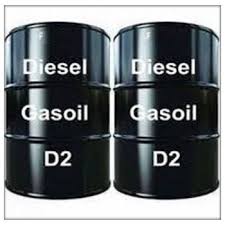
D2 diesel has higher sulfur content and is used in:
- Trucks
- Industrial machinery
- Large generators
- Heavy construction equipment
- Marine engines
It’s cheaper and more commonly available than D1.
Differences Between D1 & D2
| Feature | D1 | D2 |
|---|---|---|
| Sulfur Level | Lower | Higher |
| Price | More expensive | More affordable |
| Use Case | Smaller engines | Heavy-duty engines |
| Cold Weather Use | Better | Less effective |
Global Demand Markets
High-demand regions for D1 & D2 include:
- West & East Africa
- South America
- Europe
- Middle East
- Central Asia
How D1 & D2 Are Sold
Trading involves:
- Oil majors
- Refineries
- Allocation owners
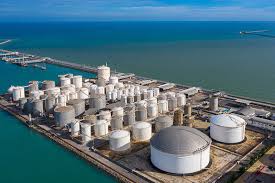
- Terminal storage operators
- Mandates (buyer & seller)
How to Verify a Real D1/D2 Seller
- Check company registration
- Request storage documents (TSA)
- Verify allocation number
- Check SGS reports
- Review POP documents
- Ensure no “soft corporate offer” scams
- Confirm they accept standard banking instruments
Why Use a Mandate for D1/D2 Deals
A mandate ensures:
- Smooth communication
- Professional negotiation
- Proper documentation
- Access to verified sellers
- Prevention of fraud
Conclusion
D1 and D2 diesel fuel play a major role in the global energy supply chain. Understanding their differences and trading structures helps buyers source responsibly while avoiding fraudulent offers.
Leave a Reply