
Introduction
Jet Fuel A1 is one of the most important aviation fuels globally. It powers commercial jets, cargo aircraft, and private aviation fleets. Because of its high demand and strict quality standards, securing real A1 supply requires precision, compliance, and verified industry contacts.
This article explains the A1 jet fuel market, its specifications, and the importance of working through an authorized buyer mandate.
What Is Jet Fuel A1?
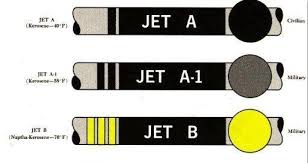
Jet Fuel A1 is a kerosene-based aviation fuel with a flashpoint of 38°C and a freeze point of -47°C, making it ideal for long-haul flights.
Key Specifications:
- Clean-burning kerosene
- Global use across commercial aviation
- Low sulfur content
- Requires full certification before export
Where Jet Fuel A1 Is Traded
Main hubs include:
- Singapore
- Rotterdam
- Houston
- Fujairah
- Port of Jamnagar
- Gulf Coast USA
Why A1 Jet Fuel Is Difficult to Source
A1 trading is complex due to:
- Strict refinery controls
- High rate of fake offers
- Export restrictions
- Required financial capability (SBLC, MT103, LC, POF)
- Tank-to-tank transfer limitations
Role of an A1 Buyer Mandate
A buyer mandate ensures:
- Verification of refinery allocations
- Overseeing documentation (ICPO, LOI, TSA)
- Negotiating procedures
- Preventing fraud
- Maintaining correct communication flow
- Bridging buyer and seller banks
A1 Jet Fuel Trading Procedures
Typical A1 purchase flow:
- Buyer issues LOI
- Seller issues SCO
- Negotiation
- Buyer submits ICPO
- Seller submits draft SPA
- POF verification
- Tank inspection (if FOB)
- Delivery begins
Conclusion
A1 Jet Fuel is essential for global aviation. Due to its demand and complexity, serious buyers rely on verified mandates to manage negotiations, documentation, and secure real supply.
Leave a Reply